The proposed programme would turn responsibly sourced agricultural residues into carbon-rich biochar through pyrolysis: heating biomass with limited oxygen. Safe production, consistent quality and suitable local uses would guide the work.
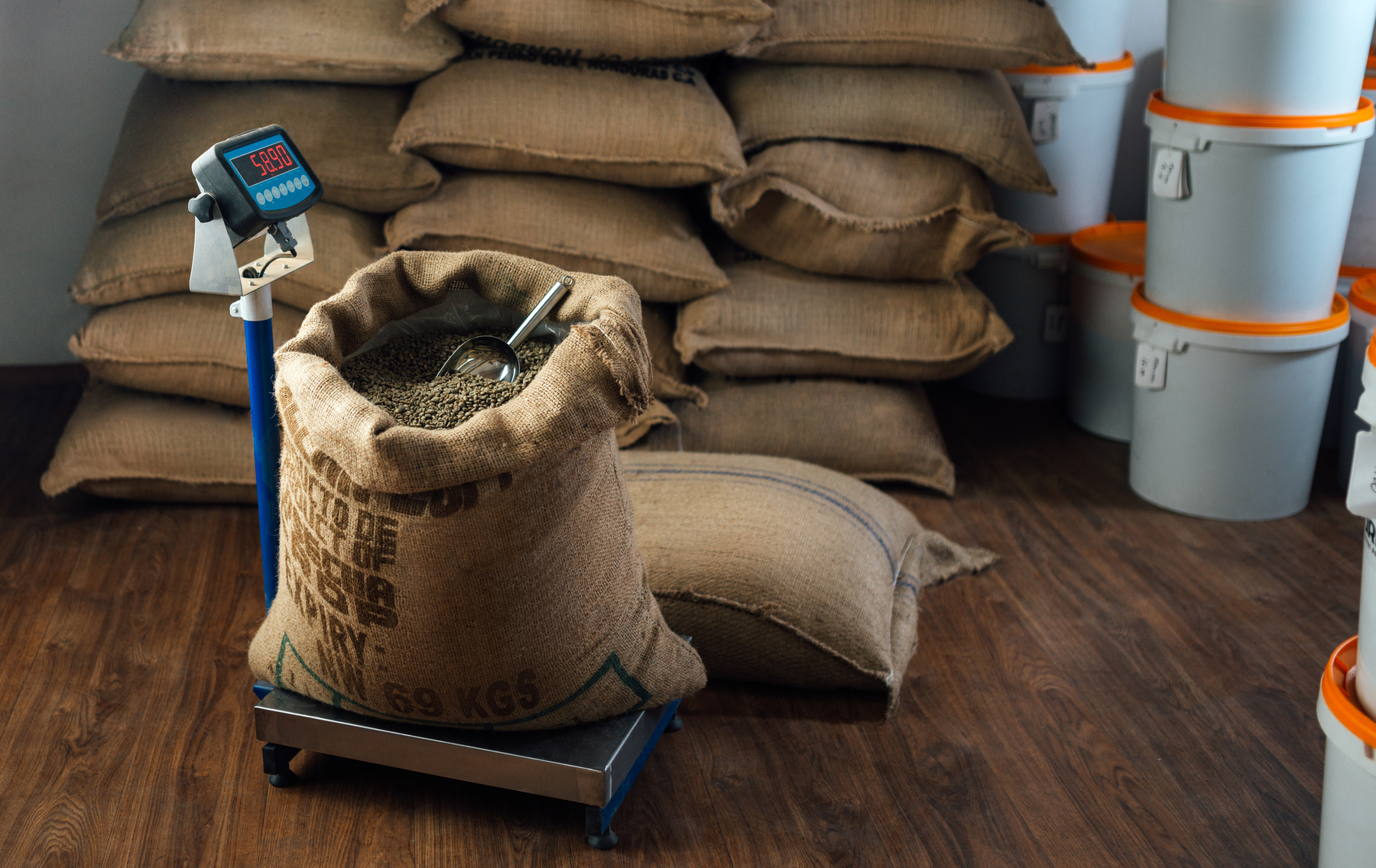
Illustrative material handling and weighing, from the TFA brochure.
The opportunity
Agricultural residues. Lasting value.
The proposed programme would turn responsibly sourced agricultural residues into a soil resource and a pathway to durable carbon storage. Pyrolysis heats biomass with limited oxygen to produce carbon-rich biochar.
Feedstock selection, safe production and reliable product quality would guide development. Field trials would assess suitable products and application rates before expansion.
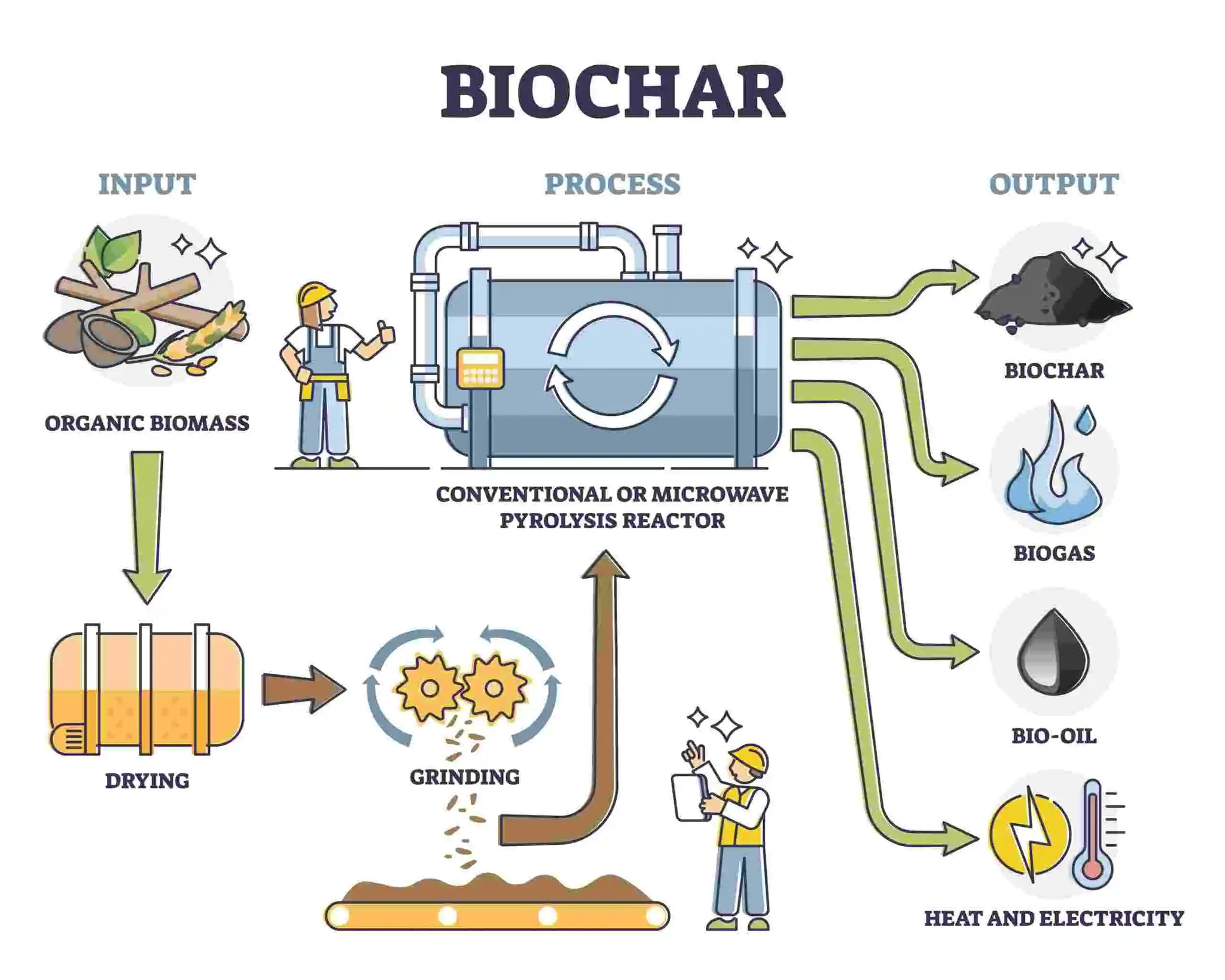
Illustrative process and potential outputs. The final process configuration is determined through project design.
How it works
From practical inputs to useful outcomes.
01 / Responsibly sourced residues
Quality-controlled production
Select suitable agricultural residues and convert them through pyrolysis. Document feedstock origin and processing conditions, with safe production and product testing guiding the process.
02 / Local field trials
Practical soil use
Work with farmers to assess suitable biochar products and application rates. Quality testing, agronomic advice and farmer feedback would inform soil and crop trials before wider distribution.
03 / Documented output and end use
Carbon storage with traceability
Record production output and end use while accounting for energy, transport and the wider project lifecycle. Carbon-credit revenue would depend on an eligible methodology, validation, independent verification and issuance.
Soil benefits, tested locally
Biochar can improve soil properties, including water retention in some settings. Results depend on feedstock, production conditions, soil and application rate. Trials would track soil condition, crop response and costs to establish benefits locally.
Carbon accounting from source to end use
Traceable records would connect feedstock origin, processing conditions, output and end use. Lifecycle accounting would include energy use and transport, with evidence prepared for independent verification where required.
Scientific context: IPCC AR6, Working Group III, Chapter 7. Soil and carbon outcomes depend on project conditions.
Build with us
Bring your expertise.
Agricultural investors, processors, farmer networks and carbon-removal buyers.
Financing structures and commercial terms are developed through project-specific due diligence, with clear responsibilities, funding milestones and reporting.