01 / Household needs
Suitable technology
Assess local cooking practices and household needs, then test technology and emissions performance to select suitable stoves. Affordability and the needs of households facing cost barriers would shape access.

University of Ibadan
Centre for Sustainable Development
Project 02 / In development
Designed around the household.
TFA Climate proposes making suitable, efficient stoves accessible to households facing cost barriers. Local cooking practices would inform technology selection, distribution, user training and aftercare.
The opportunity
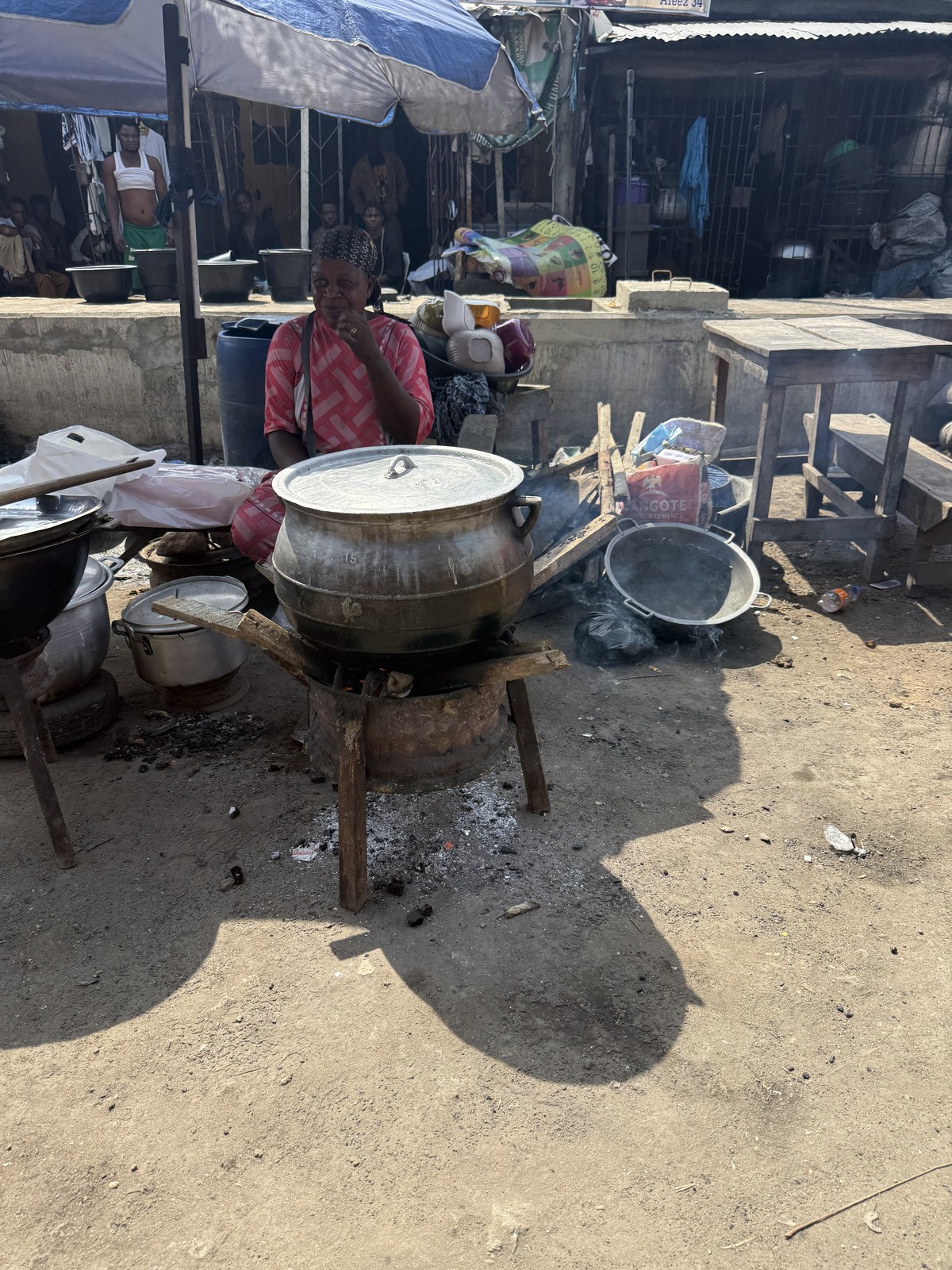
Polluting cooking fuels and technologies expose households to harmful air pollution. Women and children often carry the greatest burden of exposure and fuel collection.
TFA Climate proposes making suitable, efficient stoves accessible to households facing cost barriers. Local cooking practices would guide technology selection, distribution, training and aftercare, with fuel use, emissions and sustained adoption measured through testing and field monitoring.
How it works
01 / Household needs
Assess local cooking practices and household needs, then test technology and emissions performance to select suitable stoves. Affordability and the needs of households facing cost barriers would shape access.
02 / Distribution and training
Combine distribution with practical user training, maintenance and aftercare. Ongoing support would help households use and maintain their cooking systems.
03 / Testing and field monitoring
Track fuel use, emissions and adoption in the home. The programme would use credible baselines and monitored use to assess performance and support independent review where required.
The programme would assess carbon finance as a potential way to support deployment and affordability. Credits would depend on an eligible methodology, credible baselines, monitored use, independent verification and issuance. Distribution alone does not establish avoided emissions or guarantee carbon revenue.
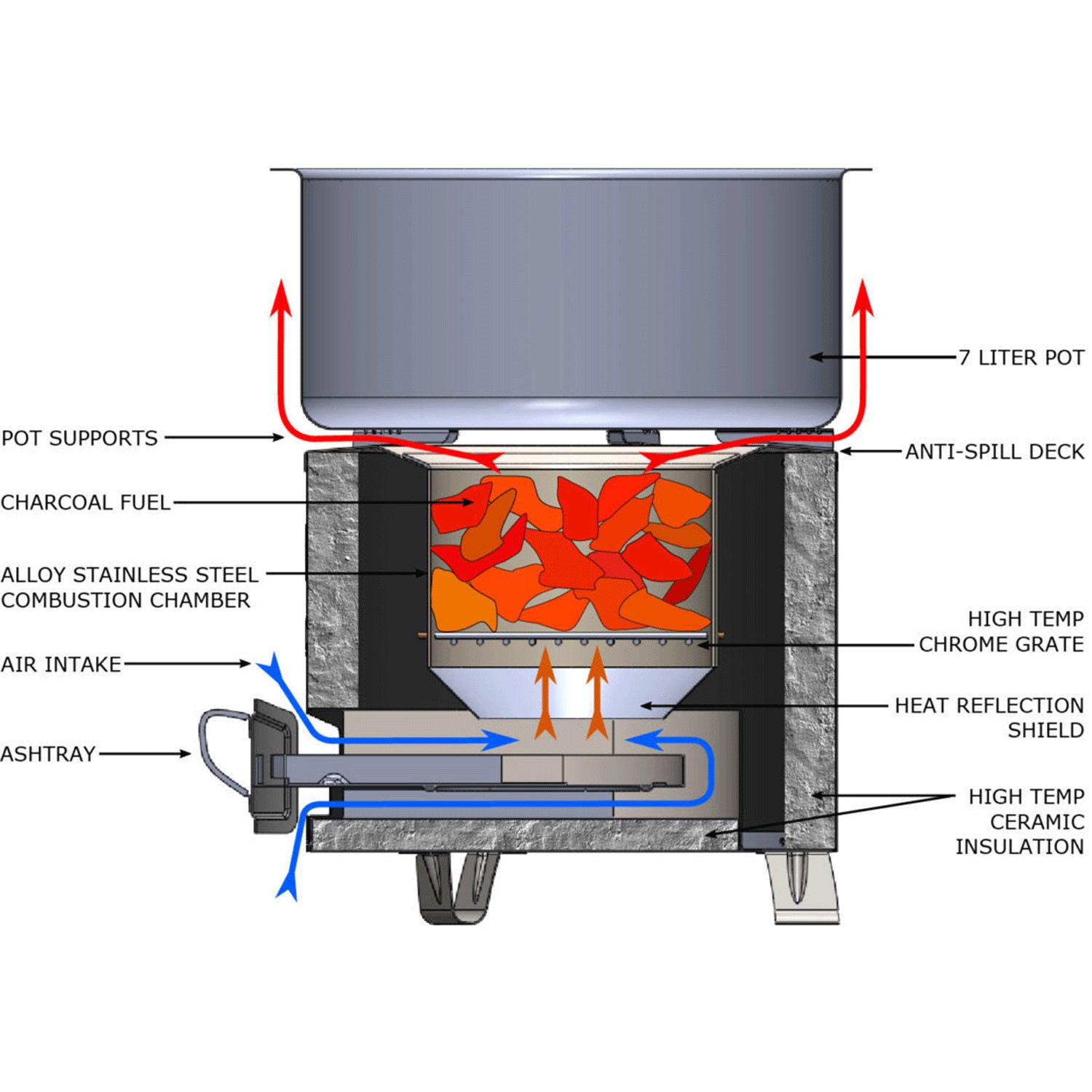
Better cooking systems can reduce fuel needs and smoke exposure, depending on technology, fuel and use. An improved biomass stove is not automatically clean for health: demonstrated emissions performance is required. Training, maintenance and aftercare would therefore remain central to delivery.
Health context: WHO, Household air pollution and health; Clean Household Energy Solutions Toolkit.
Build with us
Impact investors, stove manufacturers, community organisations and climate-finance partners.
Financing structures and commercial terms are developed through project-specific due diligence, with clear responsibilities, funding milestones and reporting.
Explore the portfolio