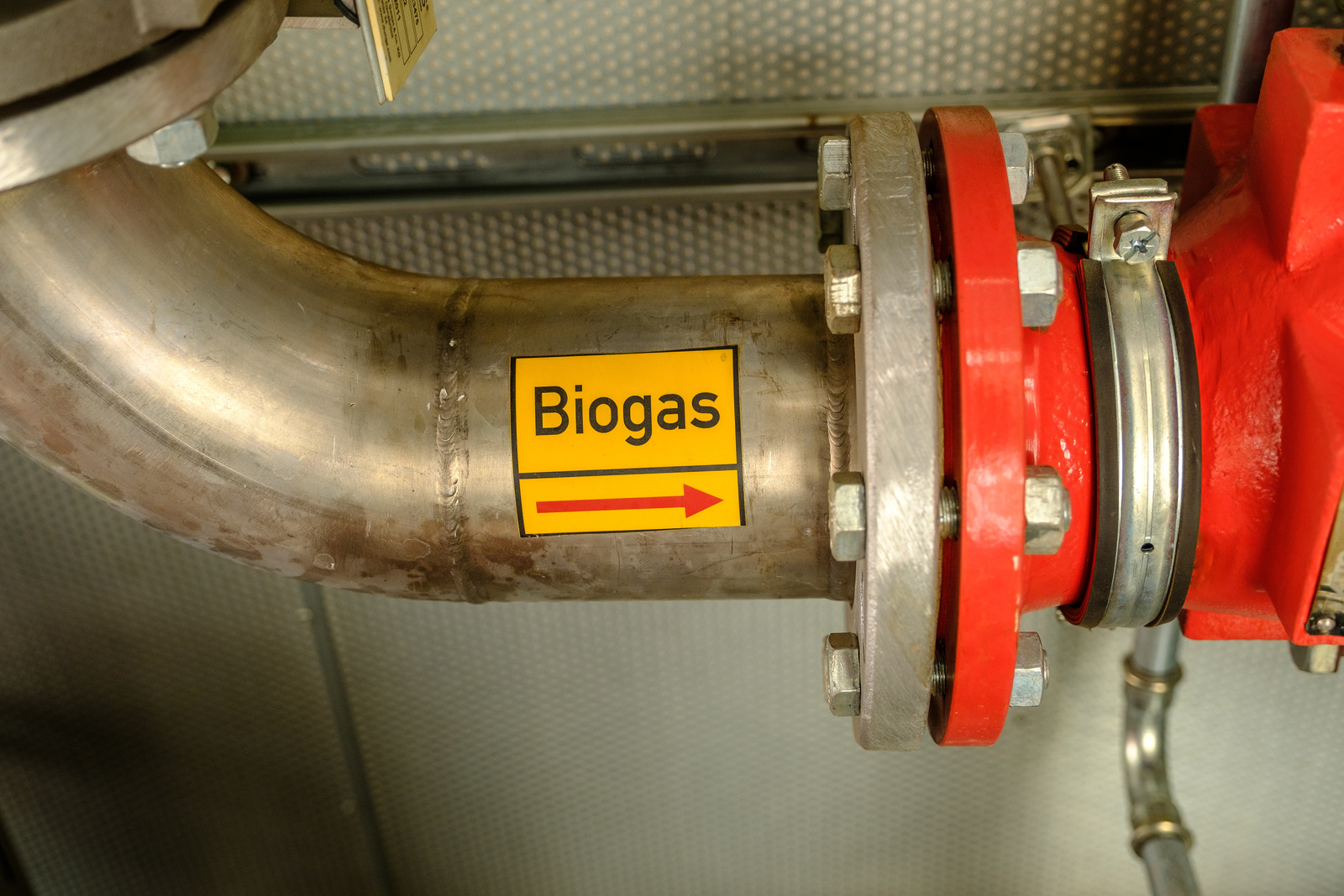
01 / Organic waste
Biogas for energy
Anaerobic digestion would process suitable organic waste into biogas for energy. Methane capture and operating controls would be central to the project's environmental performance.

University of Ibadan
Centre for Sustainable Development
Project 01 / In development
Urban waste. Useful resources.
The proposed Lagos programme connects organic waste, recyclable plastics and paper with practical routes to energy and new products. Feedstock quality, site selection, technology and local demand would guide development.
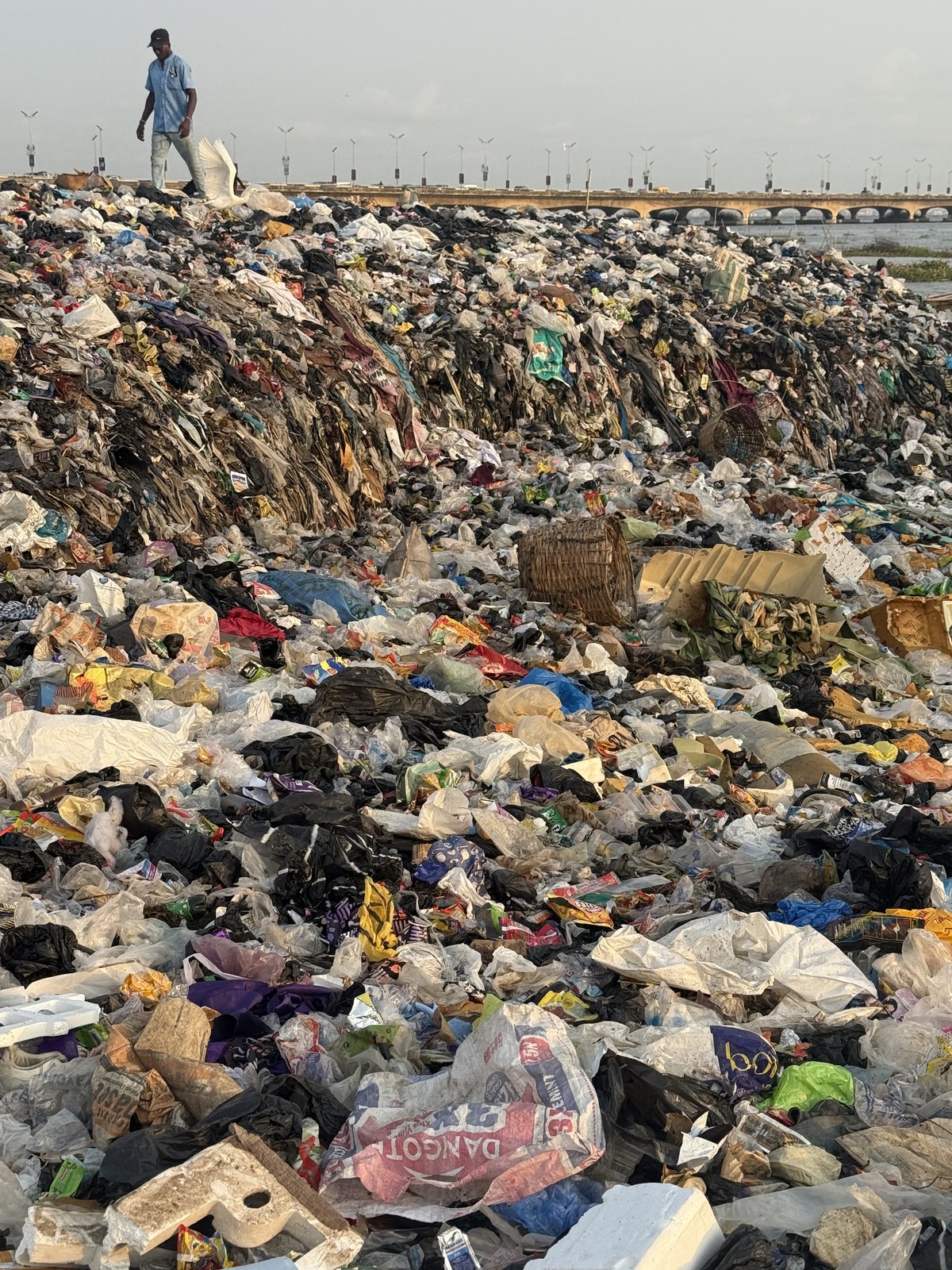
The opportunity
The proposed Waste to Worth programme targets organic waste, plastics and paper in Lagos. Together, these three streams account for 79% of the Lagos State waste mix recorded in 2020.
Organic material would supply biogas for energy, while suitable plastics and paper would be recovered for new products. Site selection, feedstock quality, technology and product demand would guide project design.
Lagos State / 2020
Organic waste, plastics and paper make up the majority of the recorded waste mix.
Source: LAWMA (2020), World Bank (2024), Figure 1.3, p.31.
How it works
01 / Organic waste
Anaerobic digestion would process suitable organic waste into biogas for energy. Methane capture and operating controls would be central to the project's environmental performance.
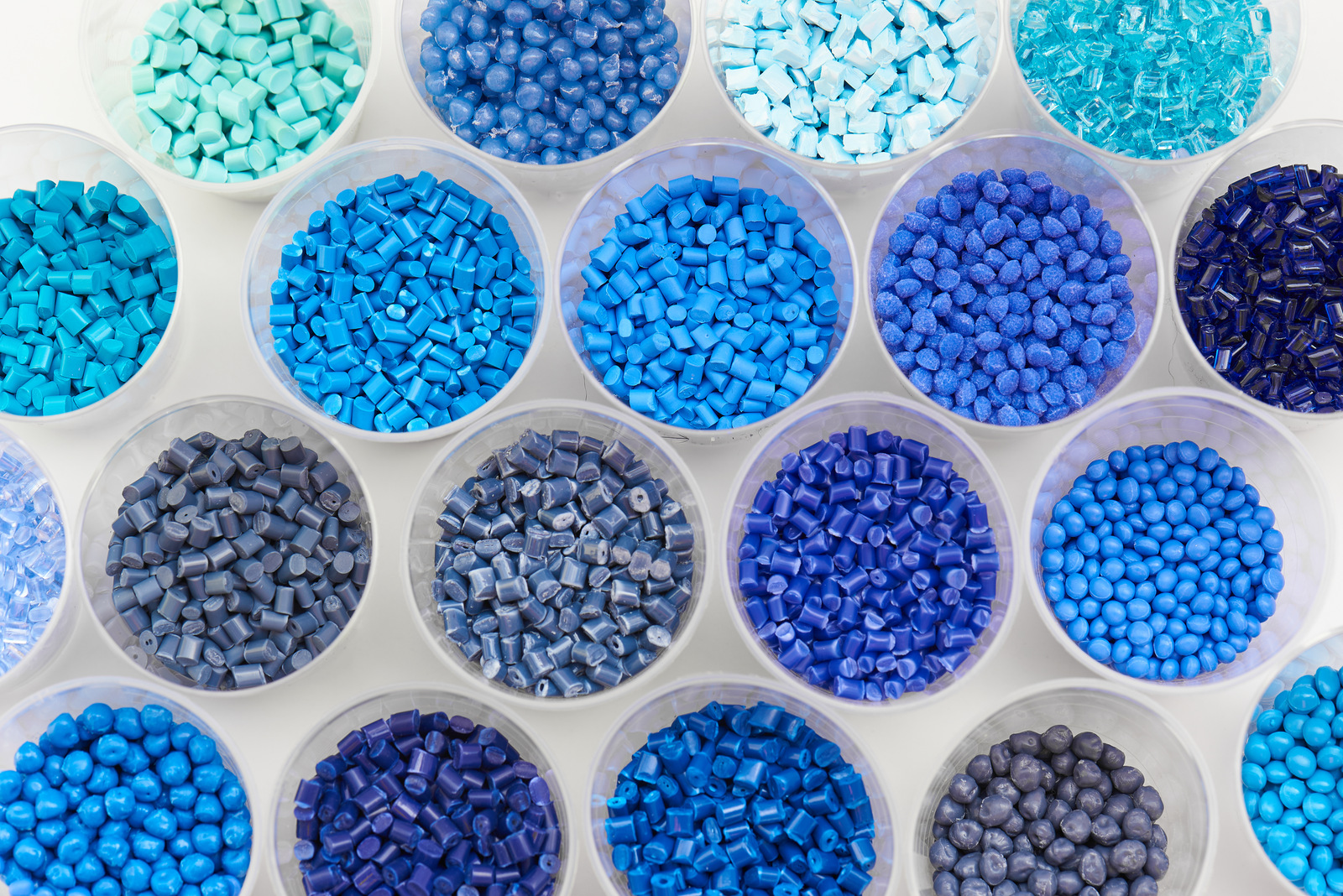
02 / Suitable plastics
Sorting, cleaning and processing would turn suitable plastics into recycled pellets for manufacturers. Collection, contamination control and reliable offtake would support a practical route to market.
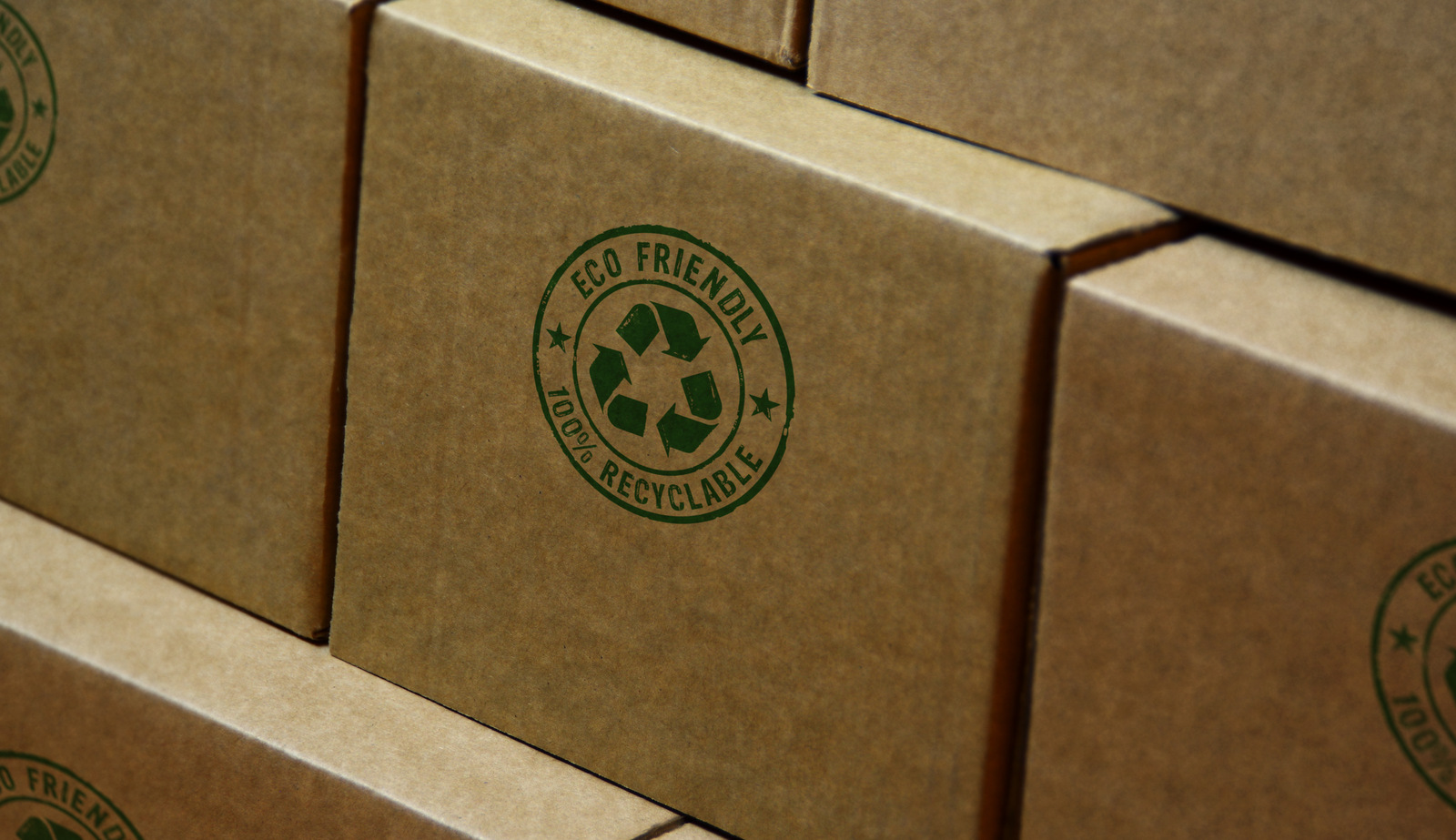
03 / Paper and cardboard
Recovering suitable paper and cardboard would supply material for packaging and reduce demand for virgin inputs. Product quality and local buyers would guide the proposed recycling process.
Illustrative photographs of the programme’s three resource pathways.
Product demand, customer contracts, pricing and offtake would connect recovered energy and materials with buyers. These commercial requirements would shape the technology and operating plan.
Feedstock quality, contamination control and methane capture would guide reliable operation. Monitoring would track materials processed, energy generated and emissions, alongside local employment and community participation.
Waste composition: LAWMA (2020), reproduced in World Bank (2024), Figure 1.3, p. 31.
Build with us
Infrastructure investors, waste operators, technology suppliers and energy or materials buyers.
Financing structures and commercial terms are developed through project-specific due diligence, with clear responsibilities, funding milestones and reporting.
Explore the portfolio